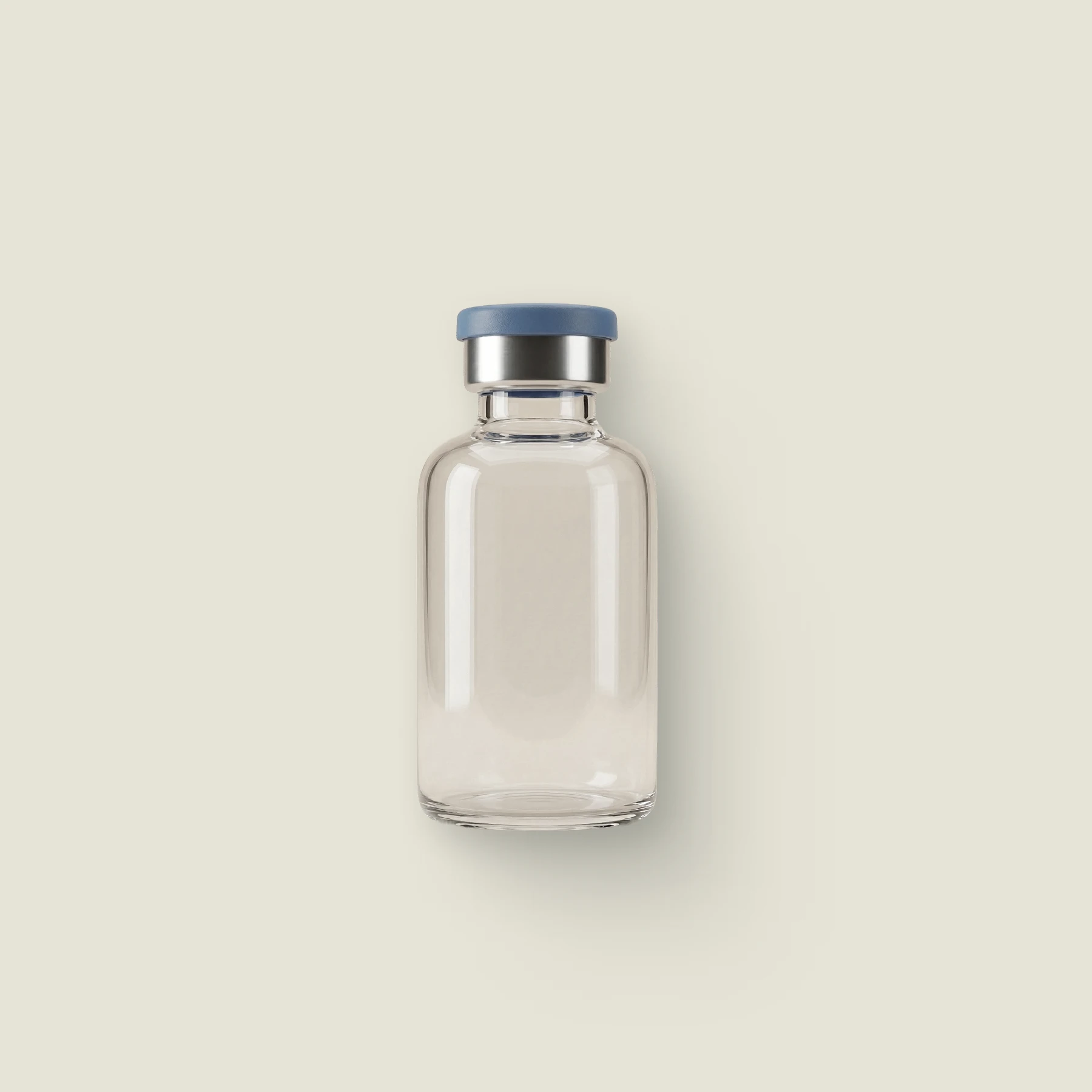
$65.00
1

OVIOPEPTIDES Price | $55.00 |
BPC-157 is a 15-amino-acid synthetic peptide derived from a protein in human gastric juice, studied in preclinical research for tissue repair via the VEGFR2 / angiogenesis pathway.
| Canonical name | BPC-157 |
|---|---|
| Alternate names | Body Protection Compound 157, PL 14736, Bepecin, Pentadecapeptide BPC 157 |
| Drug class | Synthetic gastric pentadecapeptide (healing / cytoprotective) |
| CAS number | 137525-51-0 |
| Molecular formula | C62H98N16O22 |
| Molecular weight | 1419.56 g/mol |
| Sequence | Gly-Glu-Pro-Pro-Pro-Gly-Lys-Pro-Ala-Asp-Asp-Ala-Gly-Leu-Val |
Add bacteriostatic water to achieve your desired concentration:
Inject water slowly against vial wall. Swirl gently, do not shake.
BPC-157 Canada - Body Protection Compound for Tissue Research BPC-157, a 15-amino acid sequence derived from human gastric juice, has captured significant attention in regenerative research circles. This pentadecapeptide demonstrates remarkable stability and activity in both in-vitro and animal studies, making it a valuable tool for tissue repair investigation. MOLECULAR CHARACTERISTICS BPC-157's unique sequence (Gly-Glu-Pro-Pro-Pro-Gly-Lys-Pro-Ala-Asp-Asp-Ala-Gly-Leu-Val) provides exceptional stability rarely seen in short peptides. Unlike many bioactive peptides that degrade rapidly, BPC-157 maintains structural integrity in various pH conditions and temperatures, facilitating diverse research protocols. RESEARCH FOCUS AREAS Published literature highlights BPC-157's investigation acro...
Lyophilized Powder
5mg
-20°C
OVIOPEPTIDES Price | $55.00 |
BPC-157 is a 15-amino-acid synthetic peptide derived from a protein in human gastric juice, studied in preclinical research for tissue repair via the VEGFR2 / angiogenesis pathway.
| Canonical name | BPC-157 |
|---|---|
| Alternate names | Body Protection Compound 157, PL 14736, Bepecin, Pentadecapeptide BPC 157 |
| Drug class | Synthetic gastric pentadecapeptide (healing / cytoprotective) |
| CAS number | 137525-51-0 |
| Molecular formula | C62H98N16O22 |
| Molecular weight | 1419.56 g/mol |
| Sequence | Gly-Glu-Pro-Pro-Pro-Gly-Lys-Pro-Ala-Asp-Asp-Ala-Gly-Leu-Val |
Add bacteriostatic water to achieve your desired concentration:
Inject water slowly against vial wall. Swirl gently, do not shake.
BPC-157 Canada - Body Protection Compound for Tissue Research BPC-157, a 15-amino acid sequence derived from human gastric juice, has captured significant attention in regenerative research circles. This pentadecapeptide demonstrates remarkable stability and activity in both in-vitro and animal studies, making it a valuable tool for tissue repair investigation. MOLECULAR CHARACTERISTICS BPC-157's unique sequence (Gly-Glu-Pro-Pro-Pro-Gly-Lys-Pro-Ala-Asp-Asp-Ala-Gly-Leu-Val) provides exceptional stability rarely seen in short peptides. Unlike many bioactive peptides that degrade rapidly, BPC-157 maintains structural integrity in various pH conditions and temperatures, facilitating diverse research protocols. RESEARCH FOCUS AREAS Published literature highlights BPC-157's investigation acro...
Lyophilized Powder
5mg
-20°C
BPC-157, short for Body Protection Compound-157, is a synthetic 15-amino-acid peptide derived from a fragment of a larger protein isolated from human gastric juice by Sikiric and colleagues at the University of Zagreb. Unlike most peptides of its size, BPC-157 is reported to be stable in human gastric fluid — a property that drove its initial interest as a potential oral research candidate.
Sequence: Gly-Glu-Pro-Pro-Pro-Gly-Lys-Pro-Ala-Asp-Asp-Ala-Gly-Leu-Val. Molecular weight: 1,419.56 g/mol. CAS: 137525-51-0.
Preclinical rodent studies — the vast majority of BPC-157's literature — associate it with three pathways:
Human clinical evidence for BPC-157 is essentially absent. There are no completed phase-2 or phase-3 trials in humans registered with ClinicalTrials.gov for orthopaedic, neurological, or gastrointestinal endpoints as of publication.
BPC-157 is not a Health Canada approved drug, not a prescription item, and not a Natural Health Product. Any Canadian vendor selling BPC-157 as a treatment, therapy, or prescribable substance is operating outside the Food and Drugs Act. OVIOPEPTIDES sells BPC-157 strictly for non-clinical laboratory use. Read our peptides in Canada guide for the full regulatory framing.
BPC-157 ships as a lyophilised powder. Store the lyophilised vial at -20°C for long-term storage (24+ months) or 4°C for short-term (3-6 months). Reconstitute with bacteriostatic water following the steps in our reconstitution guide. Reconstituted material is stable refrigerated for approximately 2-4 weeks depending on concentration and handling.
BPC-157 is a body protection compound primarily used for tissue repair research. Promotes angiogenesis and tissue healing through growth factor modulation. Researchers study BPC-157 for its effects on wound healing, gut health, tendon repair.
Yes, OVIOPEPTIDES ships BPC-157 across all Canadian provinces including Ontario, British Columbia, Alberta, Quebec, Manitoba, Saskatchewan, and all territories. Our BPC-157 is available for non-clinical laboratory research purposes only.
All BPC-157 from OVIOPEPTIDES is verified at 99%+ purity through independent third-party HPLC testing. Every order includes a Certificate of Analysis confirming purity, molecular weight, and identity verification.
Store lyophilized BPC-157 powder at -20°C (freezer) in its original sealed vial. Once reconstituted with bacteriostatic water, refrigerate at 2-8°C and use within 4 weeks. Avoid repeated freeze-thaw cycles.
To reconstitute BPC-157, inject bacteriostatic water slowly against the vial wall. Swirl gently - never shake. Common reconstitution volumes are 1ml, 2ml, or 2.5ml depending on desired concentration. Allow the powder to dissolve completely before use.
BPC-157 is legal to purchase in Canada for non-clinical laboratory research purposes. It is not approved by Health Canada for therapeutic use and is not intended for human consumption. OVIOPEPTIDES sells BPC-157 strictly for research applications.
BPC-157 and tb-500 are both used in tissue repair research but have different mechanisms. BPC-157 is a body protection compound, while tb-500 may work through different pathways. Researchers often study these peptides together for comparative analysis.
Every BPC-157 order from OVIOPEPTIDES includes a Certificate of Analysis (COA) documenting: HPLC purity results (99%+), mass spectrometry data, batch number, manufacturing date, and expiration date. This ensures full traceability for your research.
Exclusive Offer
Sign up and get a free BAC water — we'll send you a code to use at checkout.
OVIOPEPTIDES Price | $55.00 |
Required to Activate Your Peptides
Peptides must be reconstituted before use

Sterile water for peptide reconstitution
Or get it free by signing up for future promotions
OVIOPEPTIDES Price | $55.00 |
Required to Activate Your Peptides
Peptides must be reconstituted before use
Sterile water for peptide reconstitution
Or get it free by signing up for future promotions
You might also like


