$65.00
1

OVIOPEPTIDES Price | $70.00 |
TB-500 is a synthetic acetylated heptapeptide corresponding to the active fragment (residues 17–23) of thymosin β4, studied preclinically for actin binding, angiogenesis, and wound repair.
| Canonical name | TB-500 |
|---|---|
| Alternate names | Thymosin beta-4 fragment 17-23, Ac-LKKTETQ, Tβ4 active fragment |
| Drug class | Synthetic thymosin β4 fragment (actin-binding research peptide) |
| CAS number | 77591-33-4 |
| Molecular formula | C39H67N11O14 |
| Molecular weight | 889.98 g/mol |
| Sequence | Ac-Leu-Lys-Lys-Thr-Glu-Thr-Gln |
Add bacteriostatic water to achieve your desired concentration:
Inject water slowly against vial wall. Swirl gently, do not shake.
TB-500 Canada - Thymosin Beta-4 Fragment for Research TB-500, a synthetic version of the naturally occurring 43-amino acid peptide Thymosin Beta-4, plays a central role in cell migration and tissue repair research. As a key actin-sequestering protein, TB-500 helps researchers understand fundamental mechanisms of wound healing and inflammation modulation. UNDERSTANDING TB-500'S ROLE Thymosin Beta-4 is one of the most abundant small proteins in mammalian cells. TB-500 contains the active region responsible for promoting cell migration, blood vessel formation, and tissue remodeling. The peptide interacts with actin, a critical cytoskeletal protein, to facilitate cellular movement and repair processes. SCIENTIFIC INVESTIGATION AREAS TB-500 appears extensively in published research examining...
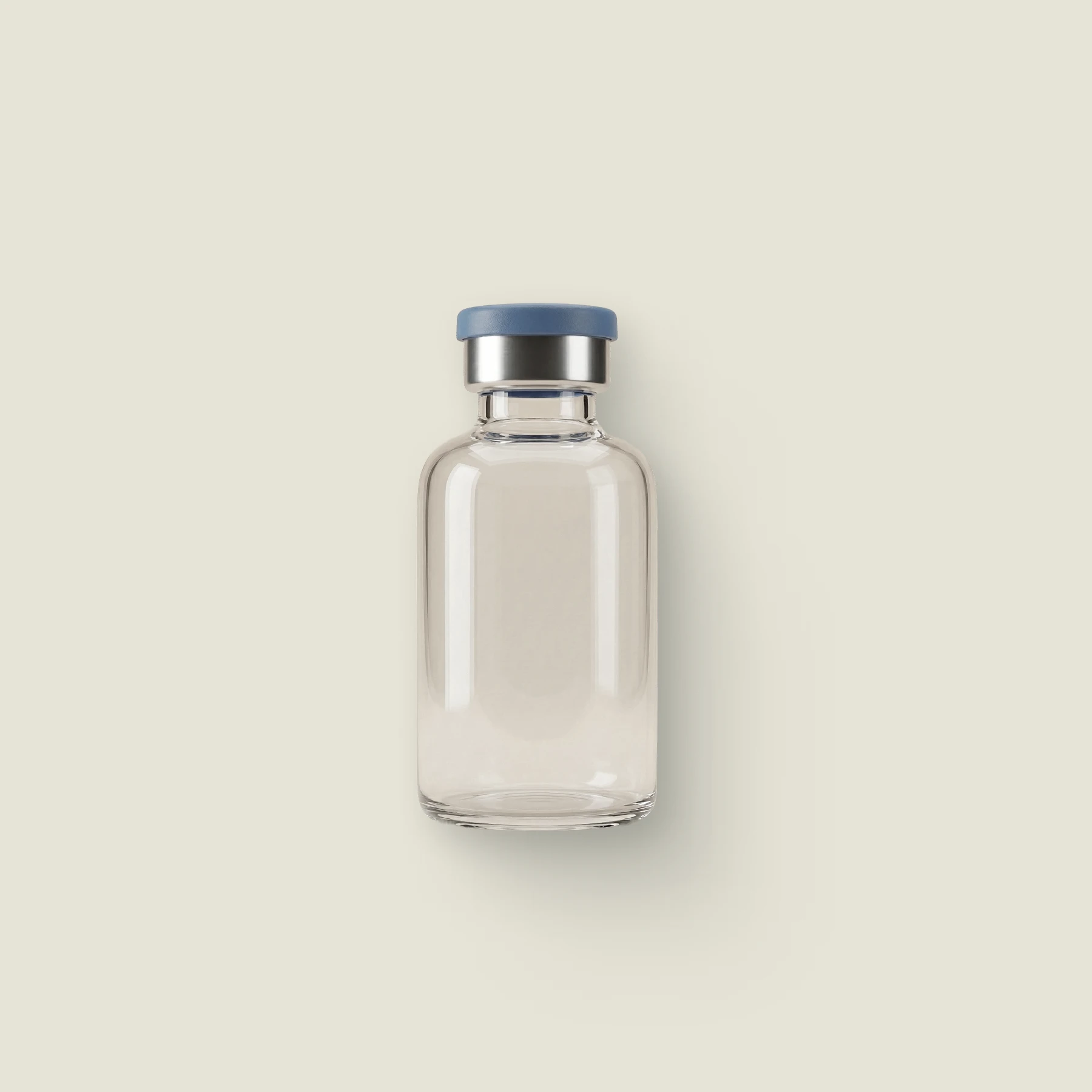
Lyophilized Powder
5mg
-20°C
OVIOPEPTIDES Price | $70.00 |
TB-500 is a synthetic acetylated heptapeptide corresponding to the active fragment (residues 17–23) of thymosin β4, studied preclinically for actin binding, angiogenesis, and wound repair.
| Canonical name | TB-500 |
|---|---|
| Alternate names | Thymosin beta-4 fragment 17-23, Ac-LKKTETQ, Tβ4 active fragment |
| Drug class | Synthetic thymosin β4 fragment (actin-binding research peptide) |
| CAS number | 77591-33-4 |
| Molecular formula | C39H67N11O14 |
| Molecular weight | 889.98 g/mol |
| Sequence | Ac-Leu-Lys-Lys-Thr-Glu-Thr-Gln |
Add bacteriostatic water to achieve your desired concentration:
Inject water slowly against vial wall. Swirl gently, do not shake.
TB-500 Canada - Thymosin Beta-4 Fragment for Research TB-500, a synthetic version of the naturally occurring 43-amino acid peptide Thymosin Beta-4, plays a central role in cell migration and tissue repair research. As a key actin-sequestering protein, TB-500 helps researchers understand fundamental mechanisms of wound healing and inflammation modulation. UNDERSTANDING TB-500'S ROLE Thymosin Beta-4 is one of the most abundant small proteins in mammalian cells. TB-500 contains the active region responsible for promoting cell migration, blood vessel formation, and tissue remodeling. The peptide interacts with actin, a critical cytoskeletal protein, to facilitate cellular movement and repair processes. SCIENTIFIC INVESTIGATION AREAS TB-500 appears extensively in published research examining...
Lyophilized Powder
5mg
-20°C
TB-500 is the seven-residue actin-binding motif of thymosin β4, identified by Van Troys et al. (EMBO J 1996) through peptide mapping of the full-length Tβ4 molecule. The fragment retains much of Tβ4's cellular activity in in-vitro assays while being far easier to synthesise and dissolve — which is why commercial research-peptide inventories usually sell "TB-500" rather than full-length thymosin β4.
Preclinical research on TB-500 and its parent Tβ4 converges on three pathways:
Note that most published evidence for these pathways uses full-length Tβ4. TB-500 is assumed to retain the actin-binding activity but not necessarily all of the non-actin-related effects.
Store lyophilised TB-500 at −20°C. Reconstituted peptide is stable refrigerated at 2–8°C for approximately 2–4 weeks.
TB-500 is a thymosin beta-4 fragment primarily used for tissue regeneration research. Regulates actin for cell migration and wound healing. Researchers study TB-500 for its effects on injury recovery, inflammation, tissue repair.
Yes, OVIOPEPTIDES ships TB-500 across all Canadian provinces including Ontario, British Columbia, Alberta, Quebec, Manitoba, Saskatchewan, and all territories. Our TB-500 is available for non-clinical laboratory research purposes only.
All TB-500 from OVIOPEPTIDES is verified at 99%+ purity through independent third-party HPLC testing. Every order includes a Certificate of Analysis confirming purity, molecular weight, and identity verification.
Store lyophilized TB-500 powder at -20°C (freezer) in its original sealed vial. Once reconstituted with bacteriostatic water, refrigerate at 2-8°C and use within 4 weeks. Avoid repeated freeze-thaw cycles.
To reconstitute TB-500, inject bacteriostatic water slowly against the vial wall. Swirl gently - never shake. Common reconstitution volumes are 1ml, 2ml, or 2.5ml depending on desired concentration. Allow the powder to dissolve completely before use.
TB-500 is legal to purchase in Canada for non-clinical laboratory research purposes. It is not approved by Health Canada for therapeutic use and is not intended for human consumption. OVIOPEPTIDES sells TB-500 strictly for research applications.
TB-500 and bpc-157 are both used in tissue regeneration research but have different mechanisms. TB-500 is a thymosin beta-4 fragment, while bpc-157 may work through different pathways. Researchers often study these peptides together for comparative analysis.
Every TB-500 order from OVIOPEPTIDES includes a Certificate of Analysis (COA) documenting: HPLC purity results (99%+), mass spectrometry data, batch number, manufacturing date, and expiration date. This ensures full traceability for your research.
Exclusive Offer
Sign up and get a free BAC water — we'll send you a code to use at checkout.
OVIOPEPTIDES Price | $70.00 |
Required to Activate Your Peptides
Peptides must be reconstituted before use

Sterile water for peptide reconstitution
Or get it free by signing up for future promotions
You might also like


Required to Activate Your Peptides
Peptides must be reconstituted before use
Sterile water for peptide reconstitution
Or get it free by signing up for future promotions
OVIOPEPTIDES Price | $70.00 |